
Minimalist living is a lifestyle that focuses on simplicity and intentionality. It's about living with less and finding joy in the things that truly matter. Over the years, minimalist living has evolved and grown in popularity, with more people embracing this way of life.
Minimalist living has its roots in various philosophical and cultural movements. The concept of living with less can be traced back to ancient times, with figures like Diogenes and Buddha advocating for a simple life. In the modern era, minimalism gained traction in the 1960s and 1970s with the rise of the counterculture movement. People began to question the consumerist culture and sought a more meaningful way of living.
In recent years, minimalist living has become more mainstream. With the advent of social media and the internet, people have access to a wealth of information and inspiration on how to live a minimalist lifestyle. There are now countless blogs, books, and podcasts dedicated to minimalism, including "Minimalismus Buch," which is a popular book on the subject.
One of the key aspects of minimalist living is decluttering. This involves getting rid of unnecessary possessions and only keeping items that serve a purpose or bring joy. Decluttering can be a liberating experience, as it allows individuals to focus on what truly matters in their lives.
Another important aspect of minimalism is intentionality. This means being mindful of the choices we make and ensuring that they align with our values and goals. For example, instead of mindlessly buying things, a minimalist might ask themselves if a purchase is necessary or if it will add value to their life.
Minimalist living also extends to other areas of life, such as relationships and work. It's about simplifying and focusing on what truly matters. This might mean spending more time with loved ones or pursuing a career that aligns with one's passions.
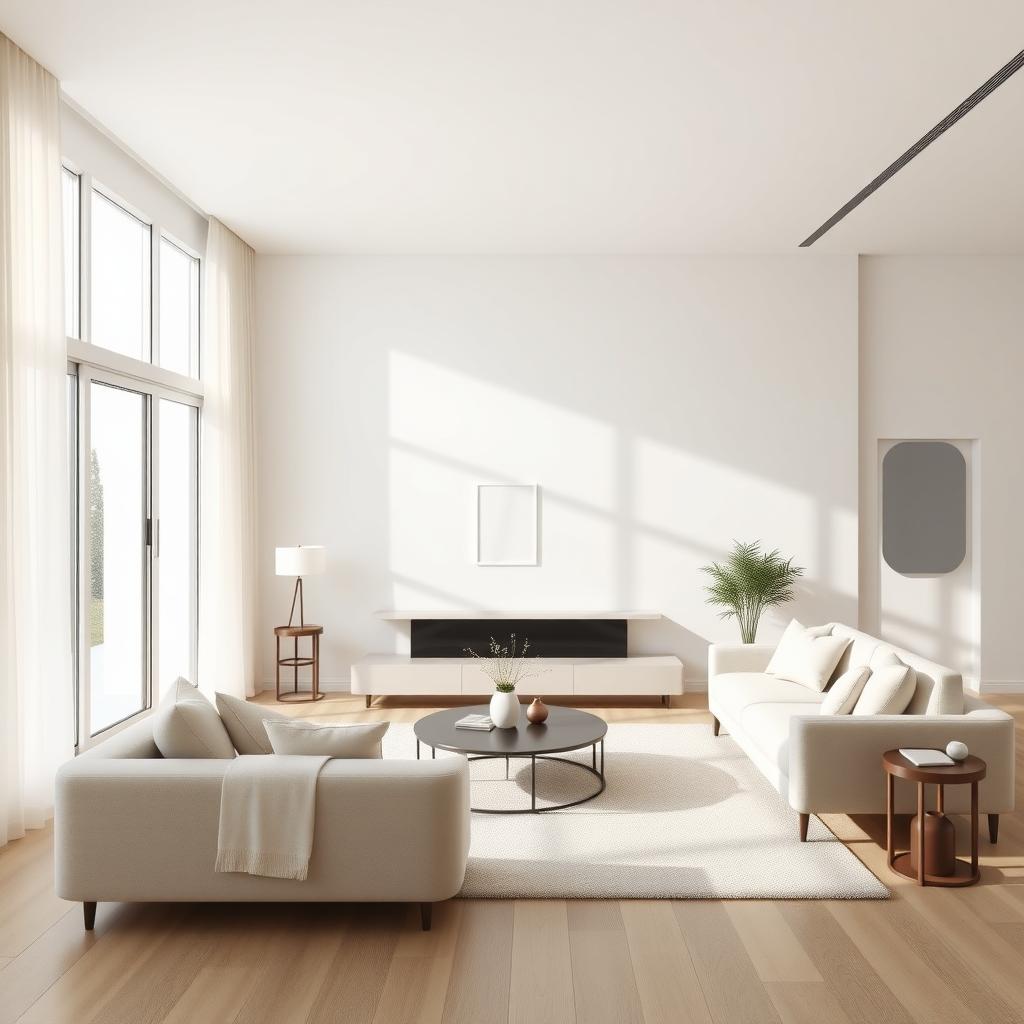
I have personally embraced minimalist living and have found it to be incredibly rewarding. By decluttering my home and simplifying my life, I have been able to focus on what truly matters to me. I have more time and energy to spend with my loved ones and pursue my passions.
One of the biggest challenges I faced when starting my minimalist journey was letting go of sentimental items. I had to learn to separate the memories from the physical objects and realize that the memories would still be there even if I didn't have the items.
Another challenge was dealing with the pressure to conform to societal norms. In a consumerist culture, it can be difficult to resist the urge to buy things and accumulate possessions. However, by staying true to my values and focusing on what truly matters, I have been able to overcome this challenge.
If you're interested in embracing minimalist living, here are some tips to get started:
- Start small: Begin by decluttering one area of your home, such as a closet or a drawer.
- Ask yourself questions: When deciding whether to keep an item, ask yourself if it serves a purpose or brings you joy.
- Be intentional: Before making a purchase, ask yourself if it's necessary or if it will add value to your life.
- Focus on experiences: Instead of buying things, focus on creating memories and experiences.
- Surround yourself with like-minded people: Join a minimalist community or find friends who share your values.

Minimalist living offers numerous benefits, both mental and physical. By decluttering and simplifying one's life, individuals can reduce stress and anxiety. A clutter-free environment can lead to a clutter-free mind, allowing for greater focus and productivity.
Minimalism can also lead to financial benefits. By consuming less and being more intentional with purchases, individuals can save money and reduce debt. This can lead to greater financial freedom and security.
Additionally, minimalist living can have a positive impact on the environment. By consuming less and reducing waste, individuals can contribute to a more sustainable future.
I have spoken to several individuals who have embraced minimalist living, and their stories are truly inspiring. One person, Sarah, shared how decluttering her home helped her to overcome anxiety and find greater peace in her life. Another person, John, talked about how minimalist living allowed him to pursue his passion for travel and adventure.

Minimalist living is a lifestyle that focuses on simplicity and intentionality. It has evolved over time and has grown in popularity, with more people embracing this way of life. By decluttering, being intentional, and focusing on what truly matters, individuals can find joy and fulfillment in a minimalist lifestyle.